


Would you choose one coffee for espresso and filter, or select a bean for each? The question What are the best Colombian specialty coffee beans for home brewing? is best answered by matching origin, processing and roast to your brewer. Our Colombia triple fermentation coffee beans offer a versatile starting point, while washed Caturra suits a more classic, espresso-focused cup.
Variety and post-harvest processing shape a coffee’s character, so “Colombian” alone cannot predict its taste. The Colombian Coffee Growers Federation describes Santander coffee as medium to high in body, with medium citrus acidity and sweet, fruity notes. Specific farms and processes create further variation, so Australian home brewers should compare product details with their preferred brew method. Read the Federation’s Santander coffee profile for regional context.
Which Colombian coffee suits your brew style?
For a single bag that works across several methods, start with Colombia Triple Fermented. Choose Caturra for espresso or milk drinks, or Yellow Colombia for fruit-led flavours and a versatile roast. These three coffees have distinct processing and brewing guidance, making it easier to choose for your home setup.
|
Rank |
Coffee |
Origin and process |
Roast and flavour |
Suitable methods |
|---|---|---|---|---|
|
1 |
Colombia Triple Fermented Coffee Beans |
Santander, three-phase extended fermentation |
Medium omni-roast, blueberry, caramel and mandarin |
Espresso, filter, plunger and cold brew |
|
2 |
Caturra Washed Coffee Beans |
Quindío, two-phase fermentation and washed |
Medium-dark, citrus, caramel and cacao nibs |
Espresso, milk drinks and batch brew |
|
3 |
Yellow Colombia Natural Coffee Beans |
Santander, natural anaerobic fermentation |
Medium omni-roast, tropical fruit, blackberry and cacao |
Espresso, filter and plunger |
1. Colombia Triple Fermented Coffee Beans
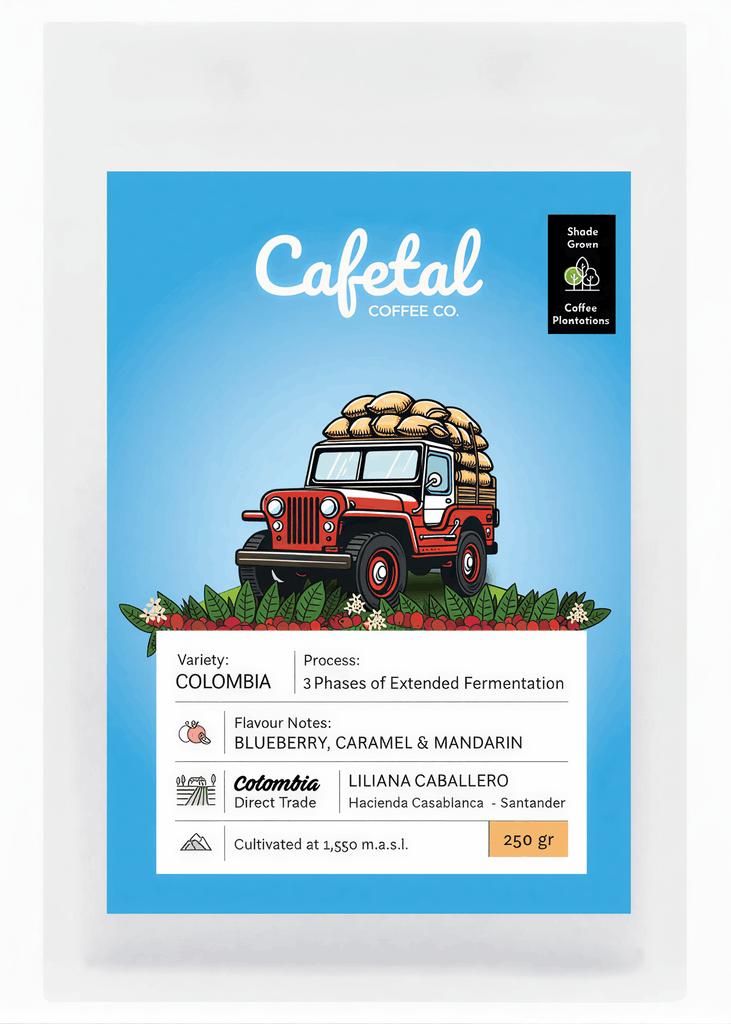
Best for: Home brewers who want one coffee for several methods, including espresso, filter, plunger or cold brew.
This medium omni-roast comes from Liliana Caballero at Hacienda Casablanca in Santander, grown at 1,550 metres. Its three-phase extended fermentation yields a cup described as having blueberry, caramel, and mandarin notes. For more background on the producer relationship, read about Hacienda Casablanca, our Colombian coffee farm partner.
Pros:
-
Its stated suitability across several brewing methods makes it a practical choice when your routine changes.
-
The farm, producer, region, process, and flavour notes are identified, helping you understand what is in your cup.
Cons:
-
The extended fermentation and fruit notes may be less appealing if you prefer a restrained, traditional washed profile.
2. Caturra Washed Coffee Beans
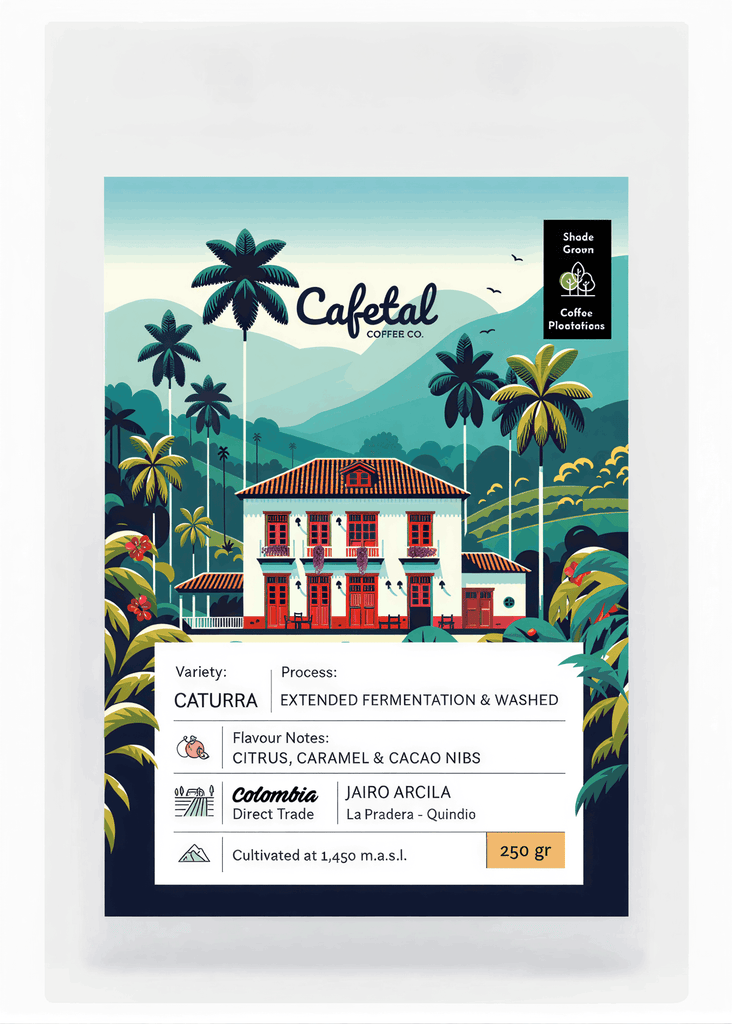
Best for: Espresso, flat whites, lattes, cappuccinos and batch brew.
We source our Caturra Washed Coffee Beans directly from Jairo Arcila at La Pradera farm in Quindío, at 1,450 metres. The coffee undergoes two-phase fermentation followed by washing, then receives a medium-dark roast. Its listed profile combines citrus acidity, caramel sweetness and a cacao nib finish.
Pros:
-
The product is explicitly suited to espresso and milk-based drinks, with batch brew also listed as a good fit.
-
Farm and producer details support origin traceability, while washed processing offers a classic, clearly described option.
Cons:
-
The medium-dark roast is less tailored to drinkers seeking a lighter, tea-like filter profile.
3. Yellow Colombia Natural Coffee Beans
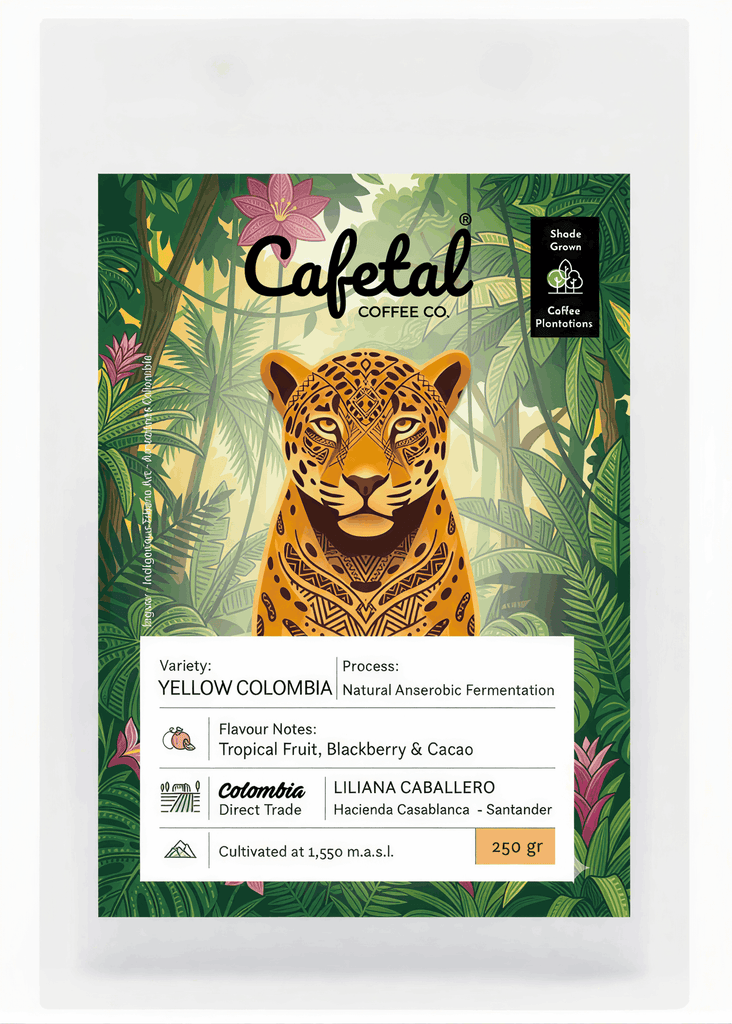
Best for: Brewers who enjoy fruit-forward coffee and want an omni-roast for espresso, filter or plunger.
Our Yellow Colombia Natural Coffee Beans come from Liliana Caballero at Hacienda Casablanca in Santander. The Yellow Colombia variety is naturally processed through anaerobic fermentation, and the medium omni-roast is described for several brewing methods. Expect tropical fruit, blackberry and cacao notes.
Pros:
-
The listed espresso, filter and plunger suitability gives you flexibility without choosing a separate roast for each method.
-
Its named variety, farm, producer and process make the coffee’s provenance and distinctive style easier to assess.
Cons:
-
Natural anaerobic processing and prominent fruit notes may be less familiar if you prefer a classic washed coffee.
How should you choose and brew Colombian beans at home?
Start with your brewer, not a general claim about Colombian coffee. Espresso and milk drinkers may prefer a coffee specifically described for those uses, such as Caturra. If you switch between methods, an omni-roast with explicit brewing guidance offers more flexibility. You can explore our Best coffee brewing methods for home brewing for more method-specific context.
Processing is another useful clue. Washed coffees are often chosen for a clearer, more traditional profile, while natural and extended fermentations can deliver more pronounced fruit character. These are useful tendencies, not guarantees: variety, farm and roast also influence the cup. Colombia’s coffee research ecosystem includes experimental processing facilities and trials of more than 200 cultivars, as the Coffee Quality Institute describes.
For a more consistent cup, match the grind to your brewing method and adjust it gradually. The Colombian Coffee Growers Federation notes that particle size affects extraction time and flavour, and that the appropriate grind depends largely on the method. The Federation’s roasting and grinding guidance is a useful reminder to treat grind as part of your recipe, not an afterthought.
For further consistency, weigh your coffee and water, then change one brewing variable at a time. The Specialty Coffee Association lists standards for home brewers and grinders to support quality and consistency. Its coffee standards overview provides wider context for why equipment and repeatable preparation matter.
Choose the coffee that fits your routine.
The best Colombian coffee for home brewing depends on your equipment and the flavours you enjoy. Choose Colombia Triple Fermented for versatility, Caturra for espresso and milk drinks, or Yellow Colombia for a fruit-forward cup across several methods. Check the product’s roast and brewing guidance, then refine your grind and recipe to suit your taste.
Choose Colombian Coffee for Your Home Brewer
Once you know whether you prefer espresso, milk drinks or filter coffee, look for beans with clear origin, processing and brew guidance. Our range is organised by brewing style, so you can narrow your options before choosing a particular coffee.

We roast coffee in small batches to order at our Adelaide roastery and ship Australia-wide. Our espresso category starts at AUD $22, while filter and omni-roast categories start at AUD $24. These are starting prices by category, and individual coffees may differ. Explore Colombian specialty coffee beans to compare the available styles and choose one for your home setup.
Frequently Asked Questions
Which Colombian coffee is best for espresso at home?
Caturra Washed Coffee Beans are specifically described for espresso and milk-based drinks, including flat whites, lattes and cappuccinos. The product is also listed as suitable for batch brew.
Which of these coffees works across different brewing methods?
Colombia Triple Fermented Coffee Beans is described as suitable for espresso, filter, plunger, and cold brew. Yellow Colombia Natural is listed for espresso, filter and plunger.
What flavours can I expect from Colombian specialty coffee?
Flavours vary by variety, farm, process and roast rather than following one national profile. These selections range from citrus, caramel and cacao to blueberry, mandarin and tropical fruit.
Does coffee processing affect the flavour?
Yes, processing helps shape a coffee’s character. The coffees here include washed, natural, anaerobic and extended fermentation processes, each with its own stated flavour profile.
How should I choose a grind for home brewing?
Match the grind to your brewing method, then adjust gradually based on how the cup tastes. Keep the dose and other variables steady while you test a change.


