


A filter coffee can taste clean and sweet, or thin and sharply sour, from the same bag. Bean choice matters, but so do your brewer and grind. For a cone brewer, our best filter beans for pour-over is a useful starting point. For the best filter coffee beans for 2026, look for clear brewing guidance, flavour notes that match your preferences, and origin details you can compare.
Grind size affects water flow through the coffee bed and the extraction process, so tasting notes are not a guarantee of the same cup in every setup. A drip-filter extraction model describes this relationship. We roast in small batches to order in Adelaide and ship Australia-wide. The profiles below remain specific to each coffee, rather than general claims about every bean we roast.
Which filter coffee beans stand out in 2026?
Based on stated brewing suitability and product detail, Castillo Aromatic Coffee Beans is our leading pick for filter drinkers seeking distinctive aromatics. Tabi Honey, Castillo Natural, Yellow Colombia and Castillo Tangerine are versatile Omni-Roasts with explicitly stated filter suitability. Caturra Washed is included for batch-brew drinkers, though its medium-dark roast is primarily positioned for espresso and milk-based coffee.
| Rank | Coffee | Roast and filter fit | Stated flavour notes | Origin and process |
|---|---|---|---|---|
| 1 | Castillo Aromatic Coffee Beans | Medium Omni-Roast; filter explicitly listed | Lemongrass, florals, lychee | Colombia; extended co-fermentation |
| 2 | Tabi Honey Coffee Beans, ORGANIC | Medium Omni-Roast; filter listed among methods | Blackberry, molasses, dark chocolate | Colombia; Yellow Honey |
| 3 | Castillo Natural Coffee Beans | Medium Omni-Roast; filter explicitly listed | Strawberry, tropical fruit, cacao | Colombia; natural anaerobic fermentation |
| 4 | Yellow Colombia Natural Coffee Beans | Medium Omni-Roast; filter explicitly listed | Tropical fruit, blackberry, cacao | Colombia; natural anaerobic fermentation |
| 5 | Castillo Tangerine Coffee Beans | Medium Omni-Roast; filter included in brew methods | Tropical fruit, chocolate, blueberry | Colombia; natural co-fermentation with tangerine juice |
| 6 | Caturra Washed Coffee Beans | Medium-dark; batch brew is listed | Citrus, caramel, cacao nibs | Colombia; two-phase fermentation and washed |
1. Castillo Aromatic Coffee Beans
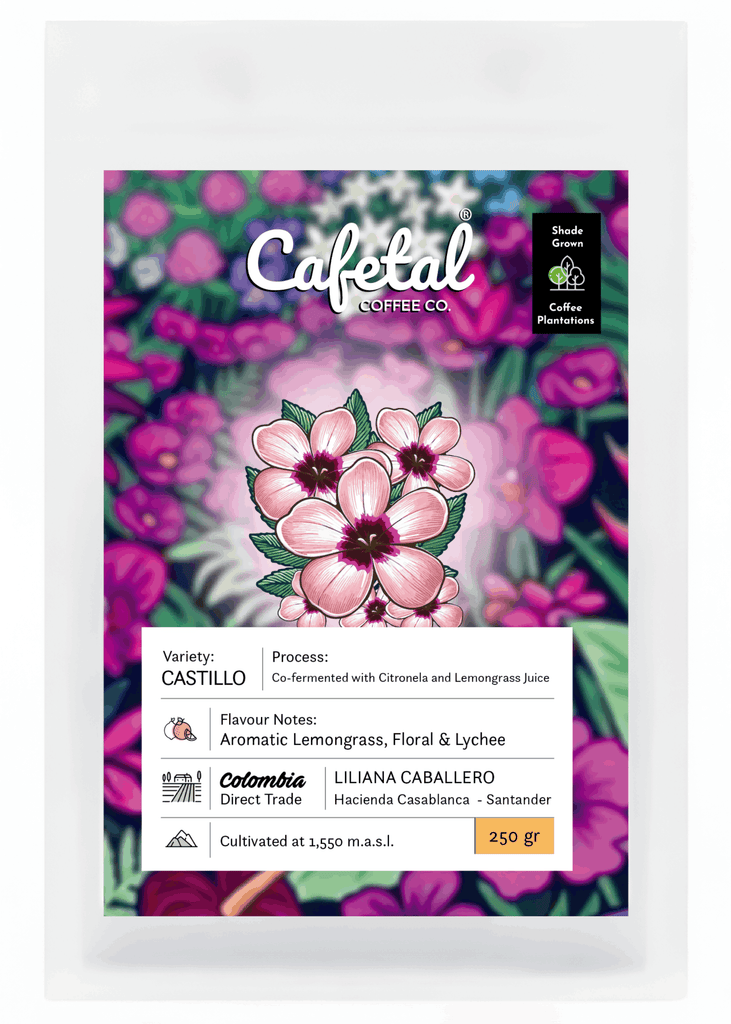
Best for: Filter drinkers who enjoy fragrant, unusual flavour notes.
Our Castillo Aromatic Coffee Beans are a medium Omni-Roast, and filter coffee is explicitly listed as a suitable method. The coffee comes from Liliana Caballero at Hacienda Casablanca in Colombia’s Santander region. Its two-phase extended co-fermentation includes citronella and lemongrass juice. The stated cup profile combines aromatic lemongrass, delicate florals and lychee sweetness.
Pros
- Its product description specifically names filter brewing, making its compatibility easy to assess.
- Direct sourcing and producer details provide context about the coffee’s origin.
- The distinctive tasting notes offer a clear alternative to familiar chocolate-led profiles.
Cons
- The aromatic, experimental profile may not suit you if you prefer a traditional, understated cup.
2. Tabi Honey Coffee Beans, ORGANIC
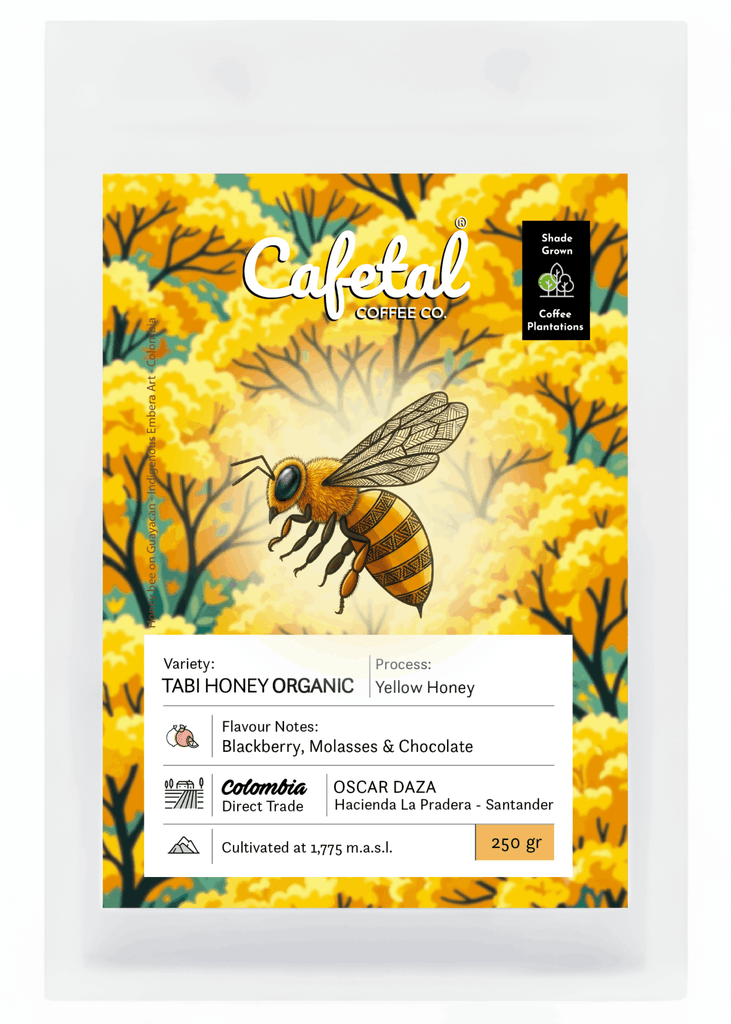
Best for: Brewers who want fruit, sweetness and chocolate notes.
Our Tabi Honey Coffee Beans, ORGANIC are a medium Omni-Roast described as suitable for filter and other brewing methods. The coffee is grown in Santander and sourced directly from Oscar Daza at Hacienda Cafetera La Pradera. Its Yellow Honey process and stated notes of blackberry, molasses and dark chocolate give you a flavour-led option for a slow filter brew.
Pros
- Filter suitability is stated alongside espresso and plunger methods.
- The product is described as certified organic, with producer and farm identified.
- Its flavour notes combine dark-fruit sweetness with chocolate depth.
Cons
- The medium Omni-Roast is designed for multiple methods, rather than presented as a filter-only roast.
3. Castillo Natural Coffee Beans
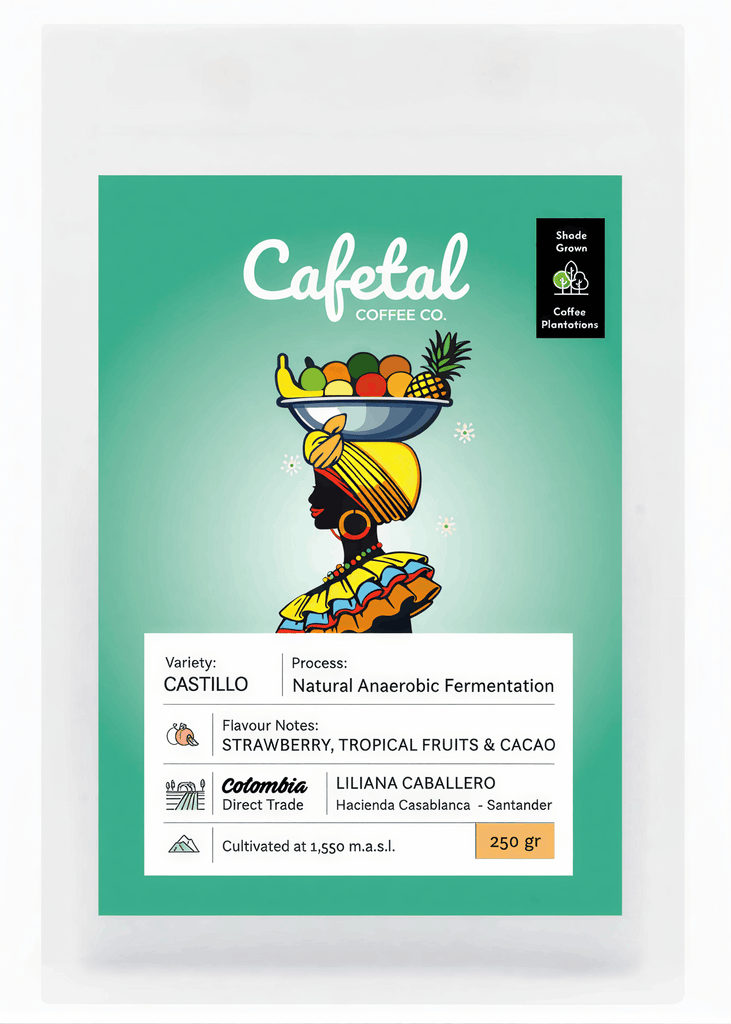
Best for: Filter drinkers who prefer pronounced berry and tropical-fruit notes.
Our Castillo Natural Coffee Beans use a medium Omni-Roast and are explicitly listed for filter brewing. Liliana Caballero at Hacienda Casablanca produces this Castillo in Santander. Natural anaerobic fermentation is used, and the stated cup profile brings together strawberry, tropical fruit and cacao. That makes this a useful choice when you want a more fruit-forward Colombian coffee.
Pros
- The product description directly supports filter brewing and identifies its process.
- Producer, farm and region details make the origin more concrete.
- Its fruit and cacao notes offer a distinct profile within the selection.
Cons
- The bold, fruit-driven profile may be less suitable if you prefer a mild or classic cup.
4. Yellow Colombia Natural Coffee Beans
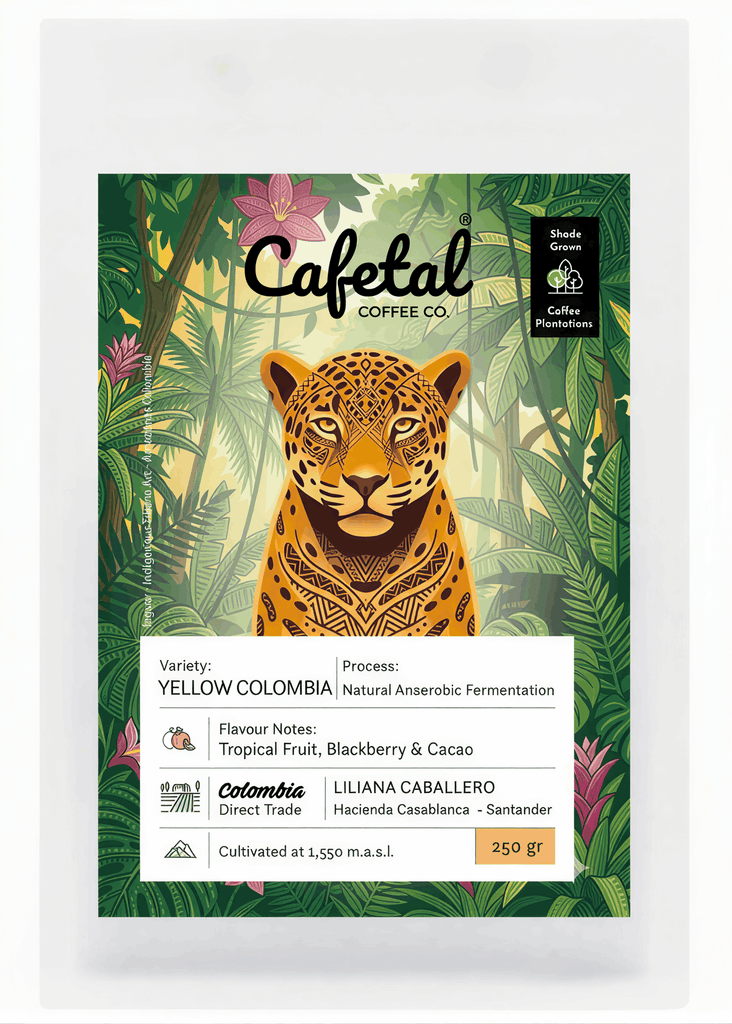
Best for: Brewers seeking a fruit-forward filter coffee with named origin details.
Our Yellow Colombia Natural Coffee Beans are a medium Omni-Roast, with filter listed among the suitable methods. Sourced from Liliana Caballero at Hacienda Casablanca in Santander, this coffee undergoes natural anaerobic fermentation. The stated flavour profile features tropical fruit, blackberry and cacao. Those notes make it a close alternative to Castillo Natural, with a similarly fruit-led direction.
Pros
- Filter suitability, roast profile and processing method are specified.
- The farm and producer are named, supporting a more traceable origin choice.
- Its fruit and cacao notes offer a clear flavour reference before you buy.
Cons
- Its fruit-forward profile overlaps with Castillo Natural, so it may offer less contrast if you are comparing both.
5. Castillo Tangerine Coffee Beans

Best for: Curious drinkers interested in experimental processing.
Our Castillo Tangerine Coffee Beans are a medium Omni-Roast described as suitable for filter, plunger, espresso and cold brew. During its natural co-fermentation, tangerine fruit juice is introduced to the Castillo cherries. The stated notes are tropical fruit, chocolate and blueberry. It is the most fruit-and-citrus-led option here for drinkers who want to explore a more unusual process.
Pros
- Filter suitability and a medium Omni-Roast are explicitly stated.
- The product description explains the tangerine-juice co-fermentation.
- Its flavour notes distinguish it from the other coffees in this selection.
Cons
- The experimental process and distinctive notes may not suit you if you want a conventional profile.
6. Caturra Washed Coffee Beans
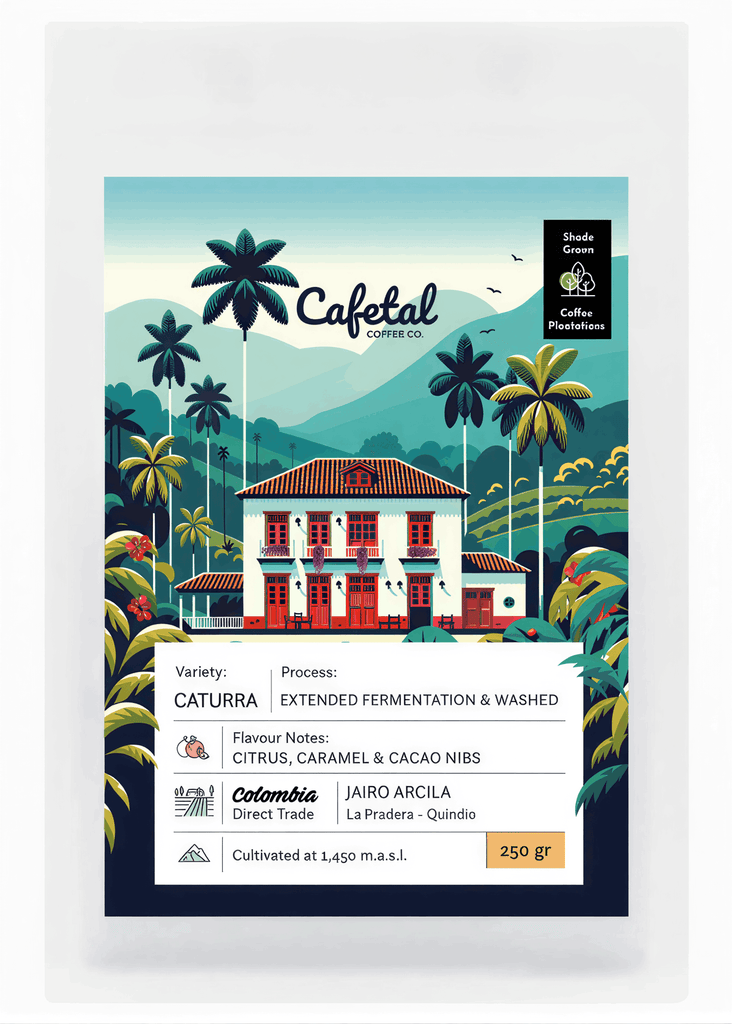
Best for: Batch-brew drinkers who also prepare espresso or milk-based coffee.
Our Caturra Washed Coffee Beans have a medium-dark roast and are described as working well in batch brew, though espresso and milk-based coffee are their primary uses. Sourced directly from Jairo Arcila at La Pradera farm in Quindío, Colombia, the beans use a two-phase fermentation and washed process. Their stated notes are citrus, caramel and cacao nibs.
Pros
- Batch brew is specifically named, and the producer and farm are identified.
- The citrus, caramel and cacao profile provides a familiar, balanced flavour direction.
- Its stated espresso and milk-based uses offer flexibility beyond batch brewing.
Cons
- The medium-dark roast and primary espresso positioning make it less filter-focused than the other picks.
How to choose filter beans for your brewer
Start with the method stated on the product page. Pour-over and batch-brew coffees pass water through a coffee bed, while plunger brewing immerses the grounds. A medium Omni-Roast is not automatically a dedicated filter roast, so confirm that filter suitability is named for the specific coffee. Our pour-over coffee brewing page covers the brewing method itself.
Then compare tasting notes with the cup you enjoy. Choose floral, fruit or citrus notes for a more expressive profile; look for chocolate or caramel if you prefer familiar sweetness. These notes describe the roaster’s stated profile, not a guarantee that every brewer will taste identical. Grind size and water flow also affect extraction, as the drip-filter extraction model explains.
Start with a repeatable pour-over recipe
If you are unsure where to begin, the Specialty Coffee Association’s 2016 two-cup pour-over guideline uses 22 grams of coffee and 400 grams of water. It specifies a medium-fine grind, water at 93.5°C and a brew time of 2 minutes 30 seconds to 3 minutes. Use its SCA pour-over guideline as a starting point, then adjust the grind or recipe to suit your taste and brewer.
Freshness also depends on how you store an opened bag. A 2022 study comparing four package-closure methods found differences in aroma freshness, with an integrated screw-cap package performing best in that experiment. Keep your coffee package closed between brews, and check the roast date when it is available. Our beans are roasted in small batches to order in Adelaide; this describes our roasting process, not a delivery timeframe or the date of an individual bag.
Final thoughts on choosing filter coffee beans
Choose by explicit brewing guidance first, then narrow your options by flavour and process. Filter coffee beans with clear method notes make that decision easier. Castillo Aromatic suits adventurous drinkers, Tabi Honey offers blackberry and chocolate notes, and Caturra is the batch-brew option with the clearest espresso and milk-based focus.
Choose beans for your filter brewer
A reliable filter cup starts with coffee suited to your brewer and flavour preferences. If you would rather shop by method than compare processing terms, our dedicated Filter Beans category includes coffees intended for pour-over, AeroPress, plunger, Moccamaster and other filter methods.

We roast in small batches to order at our Adelaide roastery and ship Australia-wide. Our Filter Beans start at $24 AUD. Browse our filter coffee beans and compare tasting notes and brewing guidance. Check each product page for its specific origin, process and recommended methods.
Frequently Asked Questions
Which roast should you choose for pour-over?
Start with coffee explicitly described as suitable for filter brewing. Then compare its roast and tasting notes with your preferences, and adjust your recipe to suit the brewer.
Can you use Omni-Roast coffee for filter brewing?
Some Omni-Roasts are described as suitable for filter, while others may not have that guidance. Check the individual product description rather than assuming every Omni-Roast has the same brewing fit.
What makes Castillo Aromatic different?
It is a medium Omni-Roast explicitly listed for filter brewing, with a two-phase extended co-fermentation that includes citronella and lemongrass juice. Its stated flavour notes are lemongrass, florals and lychee.
Does Cafetal ship coffee beans across Australia?
Yes. Our online coffee business ships roasted beans Australia-wide from our Adelaide operation.
How should you store opened coffee beans?
Keep the package closed between brews and store it away from heat, moisture and direct light. If the roast date is available, use it to help plan how quickly you will consume the coffee.


